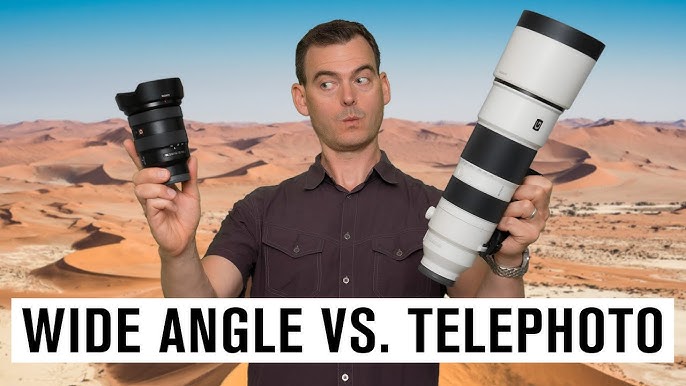
Exploring the Art of Telephoto Photography: Tips for Capturing Distant Subjects
Telephoto photography is a fascinating art that allows photographers to capture distant subjects with clarity and detail. Utilizing a telephoto lens, which typically has a focal length of 70mm or greater, one can create stunning images that bring faraway subjects into striking focus. One of the most essential tips for capturing distant subjects is to pay attention to the composition. Aim for a clean background to ensure that your subject stands out, and consider using the rule of thirds to enhance the overall aesthetic of your photograph.
Moreover, mastering the technical aspects of telephoto photography can significantly improve your results. Here are a few crucial tips:
- Stabilization: Use a tripod or image stabilization features to prevent camera shake, especially at longer focal lengths.
- Focus: Make sure to use accurate focusing modes for moving subjects, and consider manual focus for static subjects to ensure precision.
- Lighting: Pay attention to lighting conditions, as bright light can help prevent noise and improve image quality.
By implementing these strategies, you can elevate your telephoto photography skills and create captivating images that truly represent the beauty of distant subjects.
Counter-Strike is a highly popular first-person shooter game that emphasizes team-based gameplay and strategy. Players can choose to be either terrorists or counter-terrorists, each with specific objectives during rounds. For those who want to enhance their gaming experience, having the right equipment is essential, just like finding the Top 10 iphone camera lenses can enhance your photography skills. With its competitive nature and professional esports scene, Counter-Strike continues to attract millions of players globally.
Understanding Compression in Telephoto Lenses: The Science Behind Depth and Detail
Understanding compression in telephoto lenses is crucial for photographers who wish to capture striking images with enhanced depth and detail. Compression refers to the optical phenomenon where objects at varying distances appear closer together in the frame when using a telephoto lens. This is primarily due to the longer focal lengths that these lenses feature, which narrow the field of view and effectively flatten the perspective. For instance, when photographing a landscape with a telephoto lens, elements such as mountains in the background and subjects in the foreground will appear tightly packed. This characteristic of compression not only alters the spatial relationship of subjects but also accentuates the details and textures of the objects in focus, resulting in vivid imagery that can captivate viewers.
Moreover, the impact of compression extends beyond just visual aesthetics; it influences how depth is perceived in an image. By isolating the subject from its background, telephoto lenses can create a pleasing bokeh effect—the quality of the out-of-focus areas—which further emphasizes the main subject. This results in portraits that are striking and professionals often leverage this advantage to highlight facial features while smoothly blurring distractions behind the subject. Understanding how compression works and effectively utilizing it can transform ordinary shots into extraordinary compositions, making it a vital concept for both novice and experienced photographers.
How to Choose the Right Telephoto Lens for Your Photography Style
Choosing the right telephoto lens is essential for capturing stunning images that align with your photography style. When selecting a lens, consider factors such as focal length, aperture, and image stabilization. A lens with a focal length of 70-200mm is versatile for various types of photography, including sports and wildlife. Meanwhile, an aperture of f/2.8 provides excellent low-light performance and allows for beautiful background blur, making subjects stand out. Additionally, image stabilization can help reduce blur caused by camera shake, particularly during handheld shooting.
Another critical aspect to contemplate is the build quality and weight of the lens. Heavier lenses can be cumbersome for long shooting sessions, so assess whether you prefer portability or the solid feel of a robust lens. It's worth noting that lenses with weather sealing are ideal for outdoor photographers who often shoot in varying conditions. Lastly, don’t forget to read reviews and perhaps even test a few lenses in-store to find the one that best suits your unique photography style.