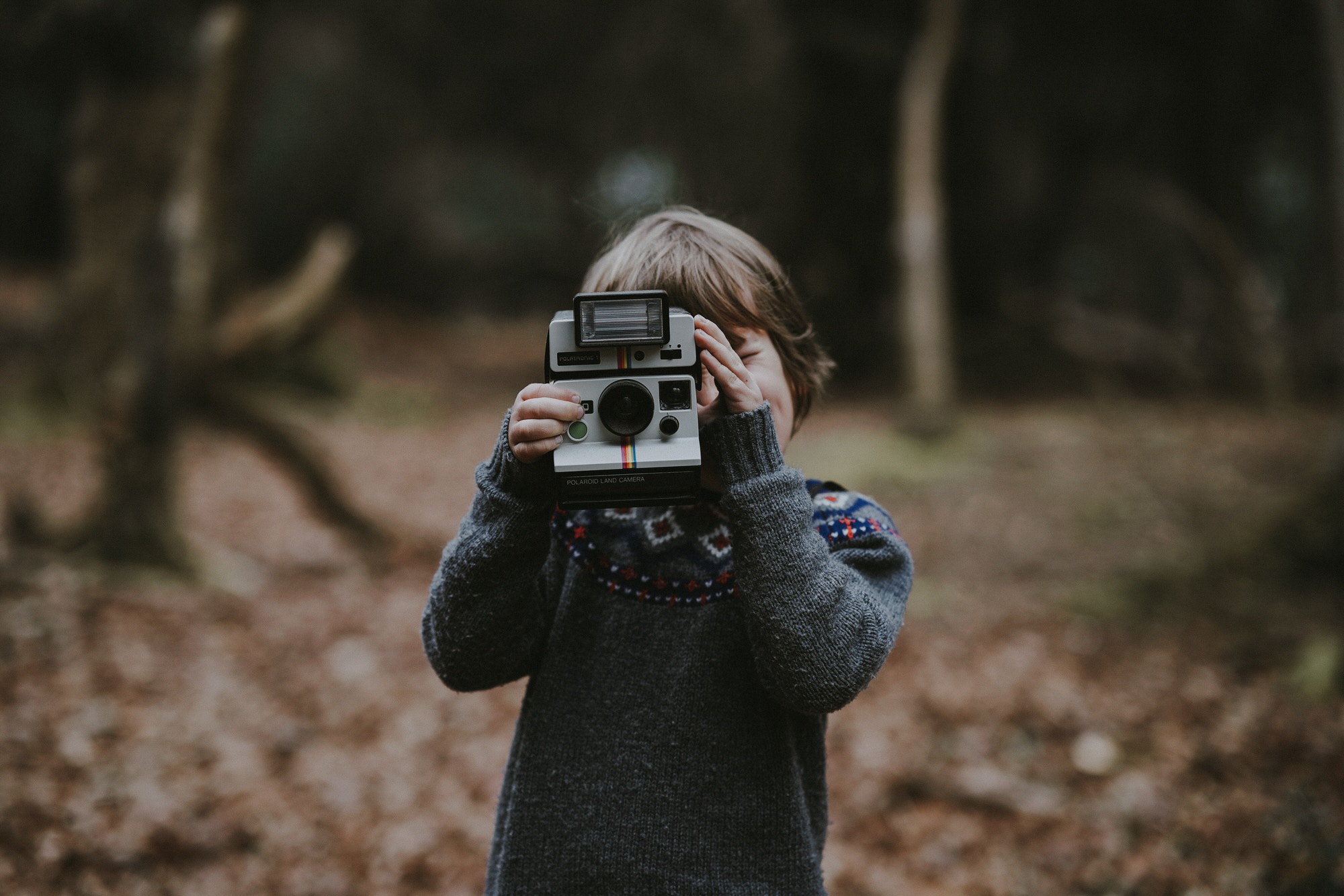
10 Essential Tips for Mastering Photography Basics
Mastering photography basics is essential for anyone looking to improve their skills behind the lens. Here are 10 essential tips to help you elevate your photography game. First, familiarize yourself with your camera settings, including ISO, shutter speed, and aperture. Understanding how these elements work together can dramatically impact the quality of your images. Next, always pay attention to lighting. Natural light can be your best friend; try to shoot during the golden hour—shortly after sunrise or before sunset—for soft, appealing light.
Additionally, composition plays a crucial role in photography. Utilize the rule of thirds by dividing your frame into a 3x3 grid and placing points of interest along these lines or at their intersections. Experiment with different angles and perspectives to make your subjects more engaging. Always practice by taking photos regularly; the more you shoot, the better you’ll become. Lastly, don’t hesitate to edit your photos to enhance their appeal—basic adjustments can make a significant difference!
Counter-Strike is a highly popular team-based first-person shooter that has been a staple in the esports community for years. Players engage in competitive matches where one team aims to complete objectives such as planting a bomb or rescuing hostages, while the other team works to thwart them. The game not only tests players' shooting skills but also demands strategic planning and teamwork. For those interested in capturing their gaming moments, check out the Top 10 Camera Grips for iPhone 17 that can enhance your mobile streaming experience.
How to Tell a Story Through Your Photographs
Photography is not just about capturing a moment; it's about telling a story. Each photograph has the potential to evoke emotions and convey messages that words sometimes cannot express. To effectively tell a story through your photographs, start by considering the subject matter. Think about the emotions you want to convey and the narrative you want to create. Elements like composition, lighting, and color can significantly impact the story you tell. For example, a warm sunset can evoke feelings of nostalgia, while stark black-and-white images may convey a sense of loss. By carefully selecting these elements, you set the stage for your audience to engage with your visual narrative.
Once you've chosen your subject matter and composition, consider creating a series of images that work together to strengthen your story. This can be done by using a consistent theme or series of actions that display a journey or progression. For instance, a photo essay about a wedding might include the details of the venue, candid moments of laughter, and intimate exchanges between the couple. To enhance your storytelling, introduce elements like captions or brief narratives alongside your images. These texts can provide context and enhance the viewer's understanding, making your photographic story more impactful and memorable.
What Camera Gear Do You Really Need to Start Shooting?
When starting your photography journey, you might be overwhelmed by the extensive range of camera gear available. However, it's essential to focus on the fundamentals before delving into advanced equipment. A basic DSLR or mirrorless camera will serve you well, as they allow for interchangeable lenses, giving you flexibility as you learn. Additionally, investing in a sturdy tripod is crucial for capturing stable images, especially in low-light conditions or for long exposure shots. Some other essential items include:
- Lens - Start with a versatile zoom lens (e.g., 24-70mm).
- Memory cards - Ensure you have several with ample storage capacity.
- Camera bag - A reliable bag will protect your gear during transport.
Once you have the basic camera gear, consider additional accessories that can enhance your photography experience. A good quality external flash can dramatically improve your indoor and nighttime shots, while a reflector can help manipulate natural light during outdoor shoots. Don't forget about post-processing software; tools like Adobe Lightroom can help you refine your images after capturing them. Ultimately, the key is to start small and gradually build your collection based on your style and the types of photography you enjoy. Remember, the quality of your images will depend more on your skills than on how expensive your equipment is!