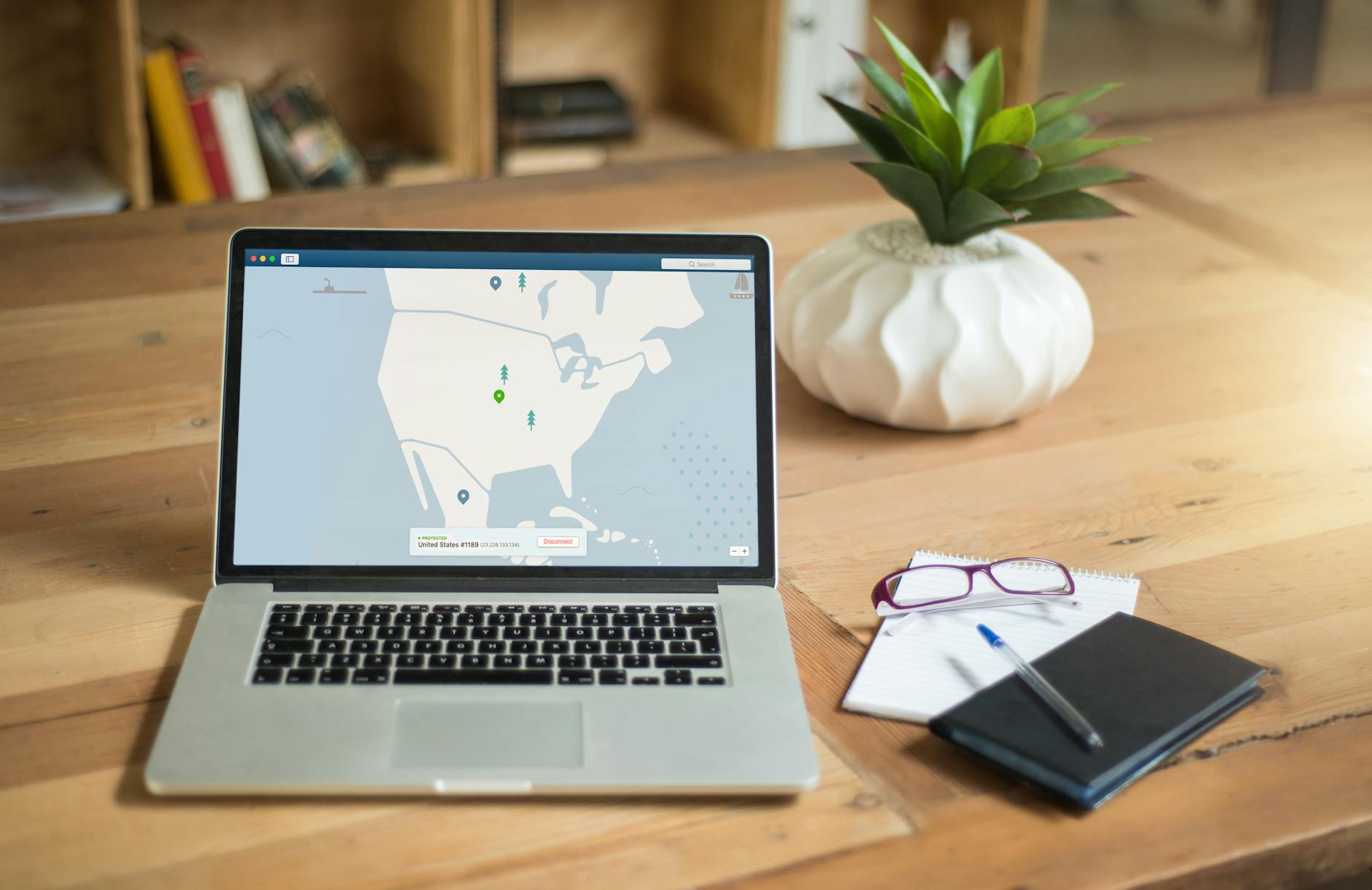
What is Geoblocking and Why Does It Limit Your Internet Experience?
Geoblocking, also known as geo-restriction, is a technology that restricts access to internet content based on a user's geographical location. This is achieved by identifying the user's IP address, which reveals their country, region, and sometimes even their city. Content providers, streaming services, and online retailers employ geoblocking for a variety of reasons, including:
- Licensing agreements: Media content, like movies and TV shows, often has distribution rights that are specific to certain territories.
- Copyright enforcement: Preventing unauthorized access to content in regions where it's not legally distributed.
- Pricing strategies: Offering different prices or products based on the user's location.
- Regulatory compliance: Adhering to laws and regulations that vary from country to country.
Essentially, your digital passport dictates what you can and cannot see online.
The implications of geoblocking extend far beyond simply being unable to watch a specific show. It profoundly limits your internet experience by creating a fragmented and unequal digital landscape. Imagine:
You're traveling abroad and suddenly lose access to your usual streaming subscriptions, banking services, or even news websites.
This digital border not only restricts entertainment but also hampers access to information, educational resources, and even competitive pricing for goods and services. It dictates your digital choices, forcing you into a localized version of the internet that may not align with your true preferences or needs. Understanding geoblocking is the first step towards recognizing how deeply it shapes our online interactions and why many seek ways to circumvent its restrictions.
Looking for a reliable and easy-to-use free vpn for chrome? There are several excellent options available that can help you secure your browsing, bypass geo-restrictions, and protect your privacy while using the Chrome browser. These extensions often offer a straightforward installation and a user-friendly interface, making them perfect for everyday use.
Choosing and Using Your Browser VPN: A Step-by-Step Guide and FAQs
Selecting the right browser VPN is crucial for a seamless and secure online experience. Begin by considering your primary needs: are you focused on unblocking geo-restricted content, enhancing privacy, or securing public Wi-Fi? Research reputable providers like NordVPN, ExpressVPN, or Surfshark, paying close attention to their browser extension features, server locations, and no-logs policies. Don't just look at the price; a free VPN might offer convenience but often comes with limitations on speed, data, or even a compromise on your privacy through data collection. Instead, prioritize providers with strong encryption protocols (like OpenVPN or WireGuard), a user-friendly interface, and 24/7 customer support. Many offer free trials, allowing you to test their performance and compatibility with your preferred browser before making a commitment.
Once you've chosen a browser VPN, installation is typically straightforward. Most providers offer dedicated browser extensions for Chrome, Firefox, Edge, and sometimes Opera.
- Simply navigate to your browser's extension store or the VPN provider's website.
- Find and click 'Add to [Browser Name]'.
- Follow the on-screen prompts to log in with your account credentials.