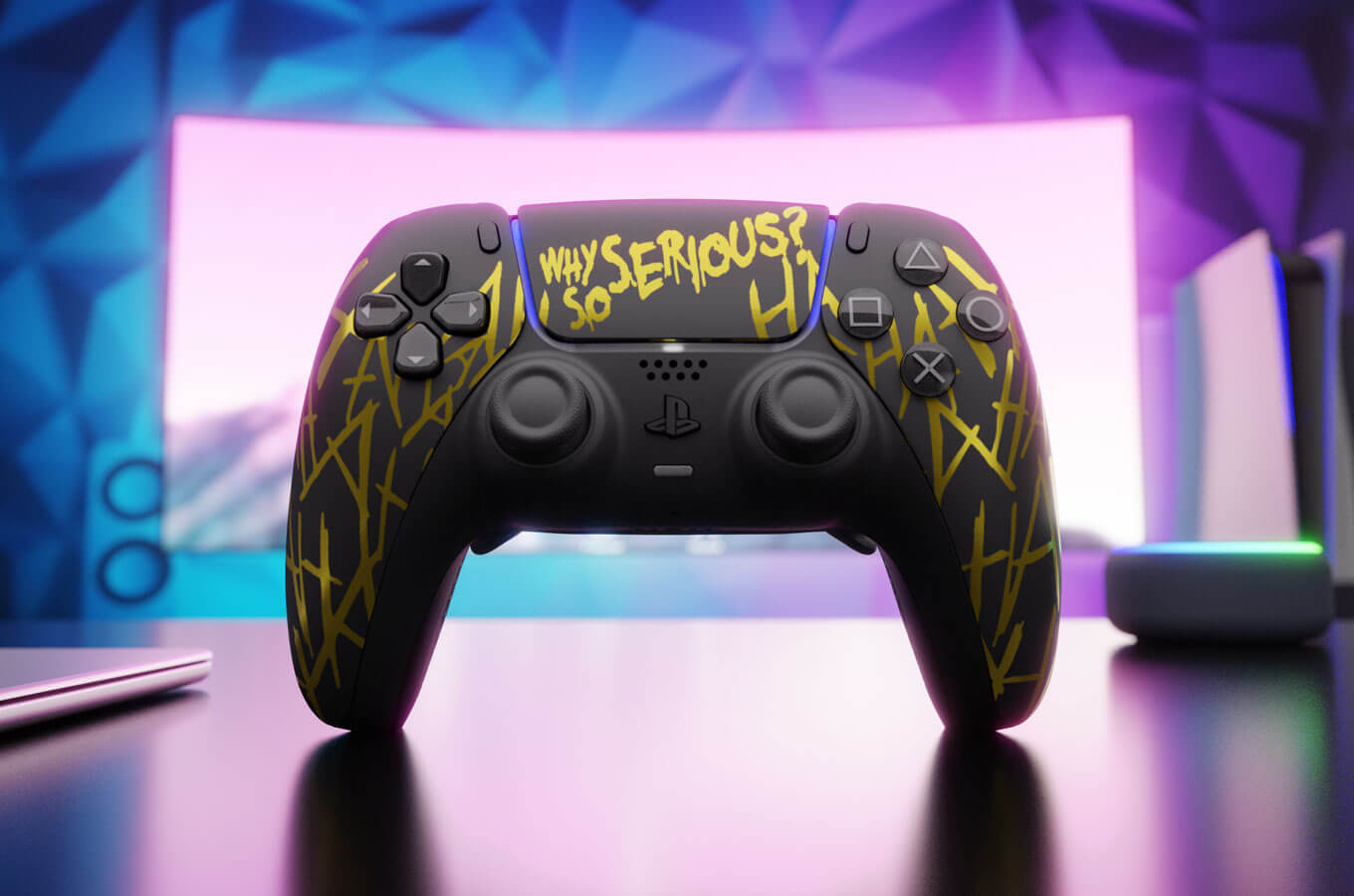
Unusual Game Controllers from Different Cultures: What Makes Them Unique?
When exploring unusual game controllers from different cultures, one cannot overlook the fascinating diversity that exists in gaming technology. For instance, the Wee Controller from Japan, known for its unique and user-friendly design, emphasizes communal gaming. It features a compact size and is often adorned with colorful characters from popular media, encouraging shared experiences among family and friends. Additionally, the U-shaped gamepad prevalent in some Southeast Asian countries adds a tactile aspect to gaming, allowing players to engage through their physical environment, blending the line between digital and real-life interactions.
Another intriguing example comes from the Afro-Diasporic gaming scene, which incorporates traditional African instruments into game design. In this context, controllers often resemble hand drums or other musical instruments, enriching the gaming experience by integrating cultural elements. These innovations not only provide players with a unique way to interact with games but also serve as a medium for cultural expression. As gaming continues to evolve, understanding these unique controllers highlights the importance of cultural influences in technology, reminding us that gaming is a global phenomenon shaped by diverse perspectives.
Counter Strike is a popular first-person shooter game that has been embraced by millions of players worldwide. Known for its competitive gameplay, it requires both strategy and skill to succeed. For those looking to enhance their gaming experience, exploring options like Top 10 iphone gaming accessories can provide valuable tools and enhancements.
The Weirdest Controllers You've Never Heard Of: A Journey Through Gaming History
The world of gaming controllers is a vast and peculiar landscape, filled with innovative designs that often go unnoticed. From the weirdest controllers to those that defy conventional shapes, these devices have shaped gaming history in unique ways. Take the infamous Big Foot Controller, which was designed for the Atari 2600. With its oversized buttons and awkward layout, it became a favorite among collectors but was never widely adopted. Similarly, the U-Force for the NES introduced motion control into the gaming arena long before it became mainstream, allowing players to interact with games by waving their hands, a concept that might seem familiar today but was revolutionary at the time.
Another fascinating entry in the realm of gaming controllers is the Genesis Activator, which promised a hands-free gameplay experience for the Sega Genesis. This octagonal mat allowed players to kick, punch, and dodge, but it quickly fell into obscurity due to its cumbersome setup and lack of practical application. Moreover, who could forget the bizarre Nintendo Power Glove? Marketed with the catchphrase 'Now you're playing with power,' it looked more like a prop from a sci-fi movie than a functional gaming device. Despite its shortcomings, the Power Glove has achieved cult status among gamers, representing the perfect blend of ambition and nostalgia in the evolution of console control.
How Strange Controllers Shape the Way We Play: Exploring Global Innovations
The world of gaming has transformed dramatically in recent years, with strange controllers emerging from various corners of the globe. From the quirky Wii Balance Board to the innovative PSVR Aim Controller, these devices challenge traditional gameplay by introducing unique interaction methods that can alter player experience significantly. For example, the Nintendo Switch's Joy-Con controllers not only offer motion control but also enable local multiplayer in a way that encourages social interactions. This evolution highlights how global innovations in controller design can enhance player engagement and accessibility, ultimately shaping the future of how games are played.
Moreover, these controllers serve as a testament to cultural diversity in gaming. In regions like Japan, where arcade gaming is deeply rooted, the arcade stick remains a favored tool for fighting games, while in Australia, rugged controllers designed for outdoor gameplay have gained popularity. As we explore these variations, it becomes evident that strange controllers not only represent technological advances but also reflect the preferences and play styles of different cultures. By embracing diverse designs, the gaming industry continually adapts, ensuring that the experience remains fresh and engaging for players around the world.