The Science Behind Sound: How Headphones Alter Your Audio Experience
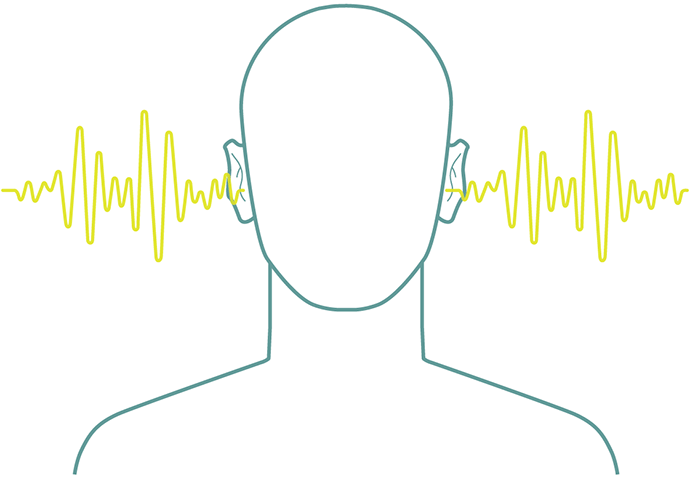
The science behind sound reveals fascinating insights into how our auditory system interacts with various audio frequencies. Headphones play a crucial role in this experience by isolating sound waves and delivering them directly to our ears, creating a personal listening environment. When you wear headphones, you're not just hearing music—you're immersing yourself in a carefully engineered sound stage designed to enhance clarity and depth. The geometry and materials of the headphone drivers significantly influence the sound quality, allowing for a rich audio experience that traditional speakers may not replicate.
Moreover, the alteration of audio experience through headphones is not solely about physical design; it also involves psychological factors. Studies have shown that listening to music through headphones can alter one’s emotional state and concentration levels, making it easier to focus or unwind. For instance, noise-canceling technology in high-quality headphones further enhances this experience by blocking out external distractions, allowing users to connect deeply with their audio content. This transformation in how we perceive sound can lead to better enjoyment and appreciation of music, podcasts, and other auditory media.
Counter-Strike is a popular first-person shooter game that revolves around team-based gameplay, where players can choose to be part of either the terrorist or counter-terrorist team. The game tests players' strategic skills and reflexes in various maps and modes. If you're looking for the perfect gaming experience, consider checking out the Top 10 Earbuds with Long Battery Life to enhance your sound experience while playing.
Are You Hearing What You Think You’re Hearing? Debunking Common Headphone Myths
When it comes to headphones, there is a plethora of information that can lead to misconceptions. One of the most prevalent myths is that expensive headphones automatically equate to superior sound quality. In reality, the perception of sound can be highly subjective, and what sounds great to one person may not resonate with another. Factors such as personal preference, music genre, and even the source device play significant roles in determining the overall listening experience.
Another common myth is that more drivers in a headphone always mean better sound. While having multiple drivers can improve sound separation and clarity, it does not guarantee a better audio experience. Quality over quantity should be the mantra when selecting headphones. For many listeners, a well-engineered pair of headphones with a single driver can outperform a poorly designed pair with multiple drivers, proving that not everything you hear about headphones is true.
Headphone Comparison: Which Features Really Impact Sound Quality?
When evaluating headphone sound quality, several key features come into play that can significantly impact your listening experience. Firstly, the driver size should be considered; larger drivers typically produce deeper bass and a fuller sound. Additionally, the design type—whether over-ear, on-ear, or in-ear—also plays a crucial role, as different designs can affect sound isolation and comfort. Other essential specifications include frequency response and impedance, both of which define the headphones' ability to reproduce a wide range of sound. Furthermore, understanding terms like total harmonic distortion (THD) can help you gauge how accurately headphones convey audio signals without distortion.
Another major consideration is whether the headphones are wired or wireless. While many audiophiles prefer wired options for their superior sound quality and lack of latency, advancements in Bluetooth technology have led to wireless headphones that can compete with their wired counterparts. Look for features such as aptX or LDAC codecs, which enhance audio streaming quality over Bluetooth connections. Lastly, don't overlook noise cancellation technology, as active noise-cancellation can elevate sound quality by reducing ambient noise, allowing you to experience music as intended. Ultimately, exploring these features will help you make an informed choice when comparing headphones for sound quality.