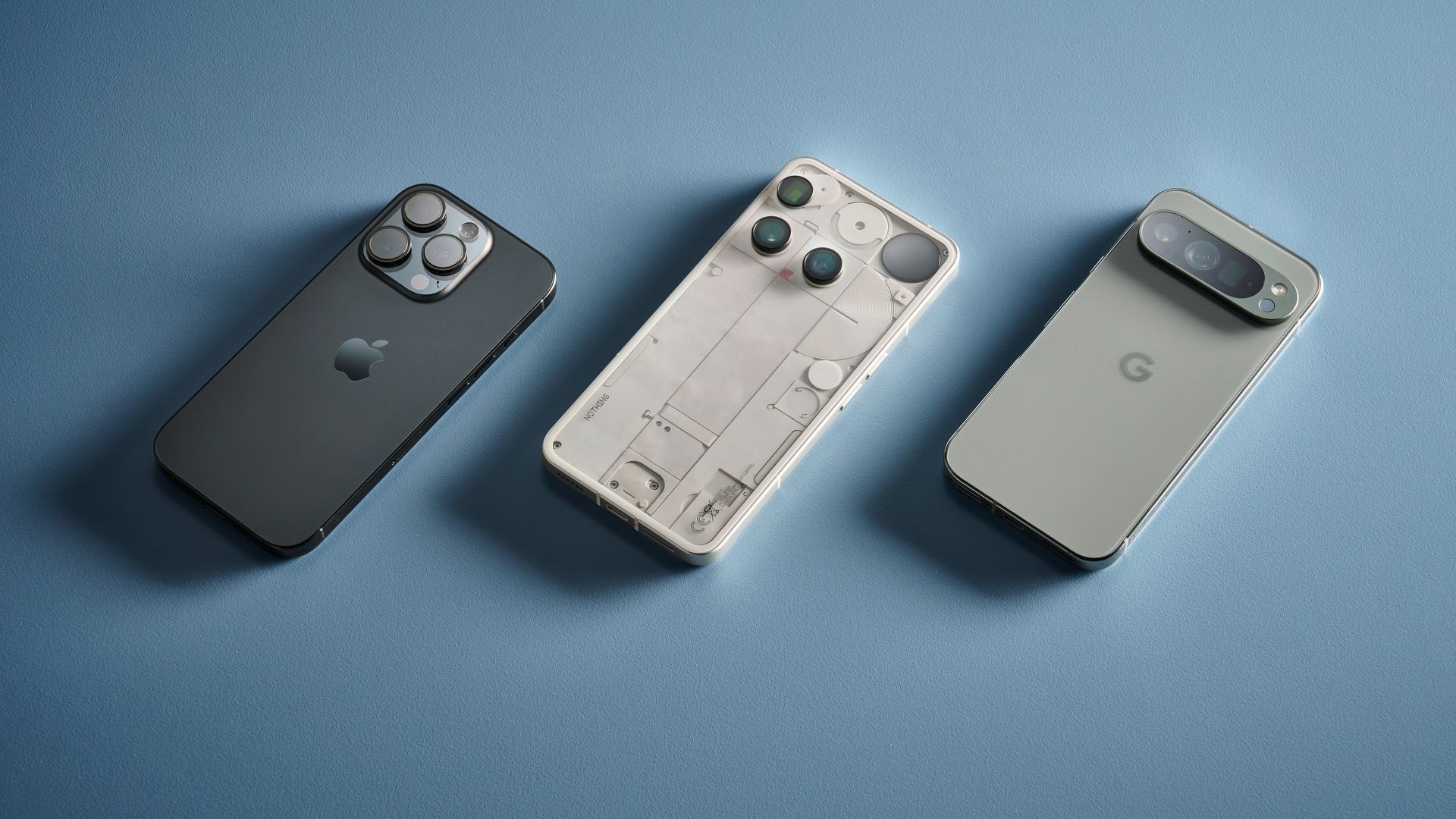
The Evolution of Smartphones: From Basic Phones to Pocket Powerhouses
The evolution of smartphones is a fascinating journey that began in the early 1990s with the introduction of basic mobile phones. These devices were primarily designed for voice calls and SMS messaging, featuring small monochrome screens and limited functionality. As technology advanced, the first smartphones emerged, integrating personal digital assistant (PDA) features that allowed users to manage contacts, calendars, and emails. The release of the BlackBerry in the early 2000s was a turning point, offering a QWERTY keyboard and internet access, which set the stage for the more advanced devices to come. Today, smartphones are no longer just communication tools; they are powerful mini-computers that have transformed how we live, work, and interact.
With the launch of the iPhone in 2007, the smartphone market underwent a radical transformation, introducing a user-friendly touchscreen interface and a plethora of applications through the App Store. This sparked a wave of innovation among manufacturers, leading to the rise of Android and a multitude of other brands, each competing to add cutting-edge features such as high-resolution cameras, artificial intelligence, and augmented reality. Modern smartphones are now equipped with capabilities that afford users seamless access to social media, gaming, and productivity tools, all in a compact design that fits in the palm of your hand. As we look ahead, the future promises even more astonishing advancements, including foldable screens and enhanced virtual reality experiences, continuing the extraordinary evolution of smartphones as true pocket powerhouses.
Counter-Strike is a popular tactical first-person shooter game where players are divided into two teams: terrorists and counter-terrorists. Each team has its objectives, like planting or defusing bombs, and the game emphasizes teamwork and strategy. To enhance your gaming experience, check out our review of the Top 10 magsafe wallets that can help keep your important cards secure while you play.
10 Ways Your Smartphone Enhances Productivity and Connectivity
In today's fast-paced world, smartphones have revolutionized the way we approach daily tasks, significantly enhancing our productivity. Here are 10 ways your smartphone contributes to your efficiency:
- Task Management: With apps like Todoist or Trello, you can easily organize your tasks, set deadlines, and keep track of your progress.
- Calendar Sync: Synchronizing your calendar with your smartphone helps you manage appointments and reminders on the go.
- Note-Taking: Applications such as Evernote allow you to jot down ideas and important information quickly, ensuring nothing slips through the cracks.
- Instant Communication: Messaging apps and email access ensure that you can communicate instantly with anyone, anywhere, making collaboration easier.
- Cloud Storage: Services like Google Drive let you access important files from your smartphone, ensuring you’re always prepared for meetings or discussions.
Moreover, your smartphone is an indispensable tool for connectivity, bridging gaps that once hindered communication and collaboration. These features further highlight the smartphone's role:
- Social Media Connectivity: Social platforms keep you connected with friends and professional networks, enhancing personal and business relationships.
- Video Conferencing: Apps like Zoom or Microsoft Teams facilitate face-to-face interactions, regardless of geographical boundaries.
- Online Collaboration: Tools such as Slack and Google Workspace allow teams to collaborate in real-time, increasing workflow efficiency.
- Navigation and Travel: GPS functionality not only helps you find directions but also keeps you informed about traffic conditions and travel details.
- Learning Opportunities: With access to endless information and online courses, your smartphone encourages continuous learning and growth, vital for personal and professional development.
Are Smartphones Making Us Smarter or Just More Distracted?
In today's fast-paced digital age, smartphones have become an integral part of our daily lives, acting as powerful tools for communication, learning, and entertainment. On one hand, these devices provide instant access to a wealth of information, enabling us to educate ourselves on a variety of topics at our fingertips. For instance, applications like language learning platforms and educational podcasts have made acquiring new skills more accessible than ever. Additionally, smartphones allow us to connect with experts and engage in online learning, fostering a more informed and enlightened society.
Conversely, the convenience of smartphones can lead to increased distraction and a decline in attention span. Social media notifications, endless scrolling, and the lure of mobile gaming can divert our focus from essential tasks, making it challenging to remain productive. Studies suggest that the constant influx of data can overwhelm our cognitive abilities, resulting in what some refer to as information fatigue. Consequently, while smartphones undoubtedly offer tools for enhancing our knowledge and skills, they also pose the risk of pulling our attention away from the world around us, leaving us to wonder: are we truly becoming smarter, or just more distracted?