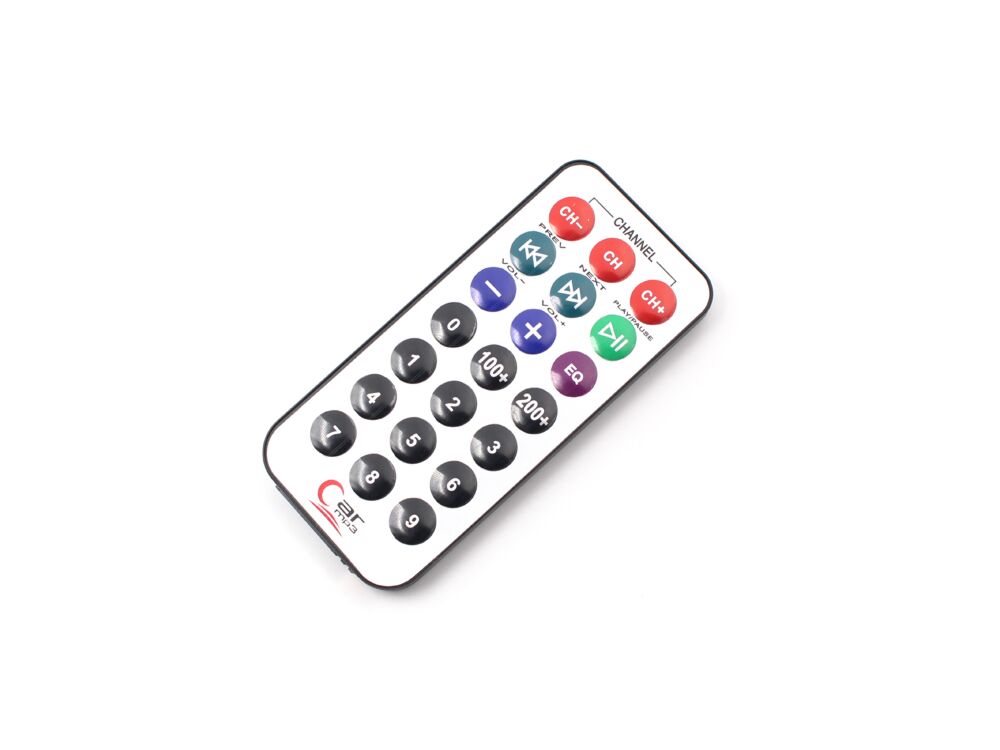
How Remote Controls Have Transformed Home Entertainment
The evolution of home entertainment has been profoundly influenced by the advent of remote controls. Initially introduced in the 1950s, these devices have transformed the way we interact with our TVs and entertainment systems. Gone are the days of manually adjusting knobs and getting up to change channels. Today, remote controls provide us with the convenience of managing multiple devices from a single handheld unit, making it easier than ever to navigate through a multitude of entertainment options, including streaming services, gaming consoles, and smart home integrations.
Furthermore, the integration of remote controls with advanced technologies has enhanced the overall user experience. Features such as voice recognition and personalized settings have made accessing favorite shows and controlling home environments seamless and intuitive. As technology continues to advance, we can expect even more innovative functionalities, including smartphone integration and automation, allowing users not only to enjoy their favorite films and programs but also to control lighting and sound for a complete immersive experience at home.
Counter-Strike is a highly popular tactical first-person shooter game that emphasizes teamwork and strategy. Players can choose to fight as either terrorists or counter-terrorists, each with their own objectives. As eSports continue to grow, games like Counter-Strike remain at the forefront, attracting millions of players globally and fostering competitive scenes. For those looking to enhance their remote work experience, check out these Top 10 iPad Accessories for Remote Work that can improve productivity and comfort.
The Evolution of Remote Technology: From TVs to Smart Homes
The journey of remote technology has undergone a remarkable transformation, beginning from the inception of television remote controls in the 1950s. Initially designed to offer ease and convenience, these simple devices were groundbreaking at the time, allowing viewers to switch channels from the comfort of their couch. As the years progressed, technology advanced, and the functionality of remotes expanded dramatically. The introduction of universal remotes in the 1980s and the shift towards infrared and radio frequency technologies further enhanced user experience, providing seamless control over multiple devices.
Today, the concept of remote technology has evolved significantly, culminating in the rise of smart homes. These innovative systems integrate a plethora of devices, including lights, thermostats, and security cameras, all controllable via a single smartphone app or voice commands. With the advent of smart assistants like Amazon Alexa and Google Assistant, users can effortlessly manage their home environments, showcasing the integration of AI and IoT technologies. This evolution not only reflects advancements in technology but also aligns with the growing demand for convenience and efficiency in daily life.
Are We Losing Touch? The Psychological Effects of Remote-Controlled Living
The rise of technology has transformed our daily lives, leading to what some experts describe as remote-controlled living. This shift has made conveniences such as online shopping, virtual meetings, and smart home devices commonplace. However, with these advancements come significant psychological effects that can jeopardize our social interactions and mental health. Individuals are increasingly relying on screens to engage with the world around them, leading to feelings of isolation and disconnection from family and community.
Moreover, the shift to remote-controlled living can create a cycle of dependency that alters our cognitive functions. Research suggests that constantly engaging with digital interfaces can diminish our attention spans, making genuine human connections challenging. As we navigate this new landscape, it's crucial to reflect on how technology affects our emotional well-being. Incorporating regular offline activities, nurturing face-to-face relationships, and setting boundaries around technology use can help mitigate these effects and restore a sense of balance in our lives.