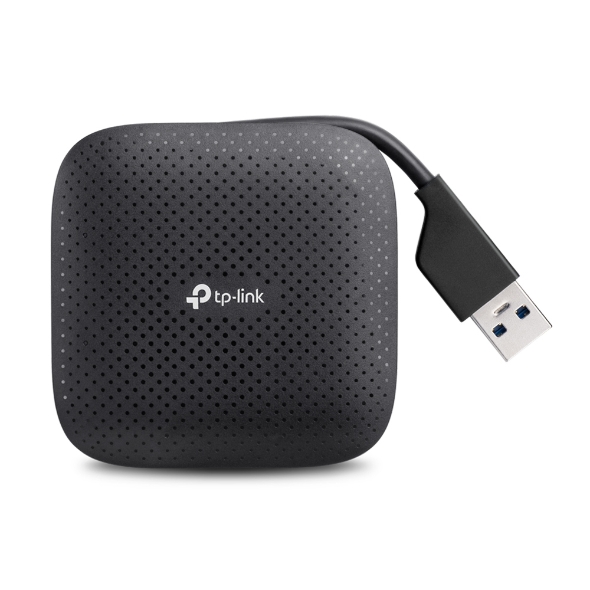
Top 5 Benefits of Using Portable Hubs for Travel and Remote Work
In today's fast-paced world, portable hubs have become essential tools for both travel enthusiasts and remote workers. These compact devices allow users to connect multiple devices simultaneously, ensuring that you have everything you need at your fingertips. Here are the top 5 benefits of using portable hubs for travel and remote work:
- Versatility: Portable hubs often include various ports, such as USB, HDMI, and Ethernet, making it easy to connect laptops, smartphones, and tablets regardless of the type of connection they require.
- Improved Productivity: With a portable hub, you can quickly switch between devices and peripherals without constantly plugging and unplugging cables, allowing you to work more efficiently.
- Compact Design: Their lightweight and compact nature make them convenient to carry, ensuring you can keep your workspace organized and clutter-free while on the go.
- Enhanced Connectivity: Many portable hubs come with built-in support for Wi-Fi and Bluetooth, providing seamless connectivity to the internet and other devices.
- Cost-Effective: Instead of purchasing multiple adapters, a single portable hub can serve multiple functions, saving you money and reducing the amount of gear you need to travel with.
Counter-Strike is a popular first-person shooter game that pits teams against each other in a tactical battle. Players can choose to play as terrorists or counter-terrorists, each with unique objectives such as planting bombs or rescuing hostages. For gamers looking to enhance their gaming setup, consider checking out the Top 10 Travel USB C Hubs to improve connectivity and performance.
How to Choose the Right Portable Hub for Your Devices
Choosing the right portable hub for your devices can seem overwhelming given the plethora of options available in the market. Start by identifying your specific needs: what types of devices will you connect? For instance, if you primarily use a laptop with USB-C ports, consider a hub that offers multiple USB-C and USB-A connections. Additionally, look for features such as HDMI outputs or card readers if you frequently transfer data from cameras and other devices. Reading customer reviews and checking the specifications will help you gauge the performance and reliability of different models.
Another important factor to consider is portability. A portable hub should be compact and lightweight, making it easy to carry during travels or commutes. Look for hubs made from durable materials to withstand daily wear and tear. Also, assess the hub's power delivery capability; some hubs can charge your devices while in use, which is a vital feature for those constantly on-the-go. In summary, prioritize compatibility, functionality, and portability when selecting your portable hub to ensure seamless connectivity for all your devices.
Portable Hubs vs. Traditional Docking Stations: Which is Better for On-the-Go Users?
For on-the-go users, choosing between portable hubs and traditional docking stations can significantly impact their productivity. Portable hubs are typically lighter and more compact, making them ideal for users who frequently travel or work from different locations. They offer essential connectivity options such as USB ports, HDMI outputs, and Ethernet connections in a convenient package that can easily fit into a laptop bag. In contrast, traditional docking stations often provide a more extensive range of ports and functionalities, but they are bulkier and generally designed for stationary setups. It’s important to evaluate how frequently you are on the move and the types of devices you need to connect to determine which option would serve you best.
Another consideration is the performance and speed of connections. Portable hubs might sacrifice some bandwidth in favor of size and convenience, potentially affecting tasks that require high-speed data transfer or multiple high-definition outputs. However, many modern portable hubs now support features like USB-C Power Delivery and fast data transfer rates that cater to the demands of today’s users. Alternatively, traditional docking stations usually come equipped with dedicated power supplies and can support more demanding setups, such as multiple monitors and peripheral devices, making them perfect for users who value a comprehensive workstation.