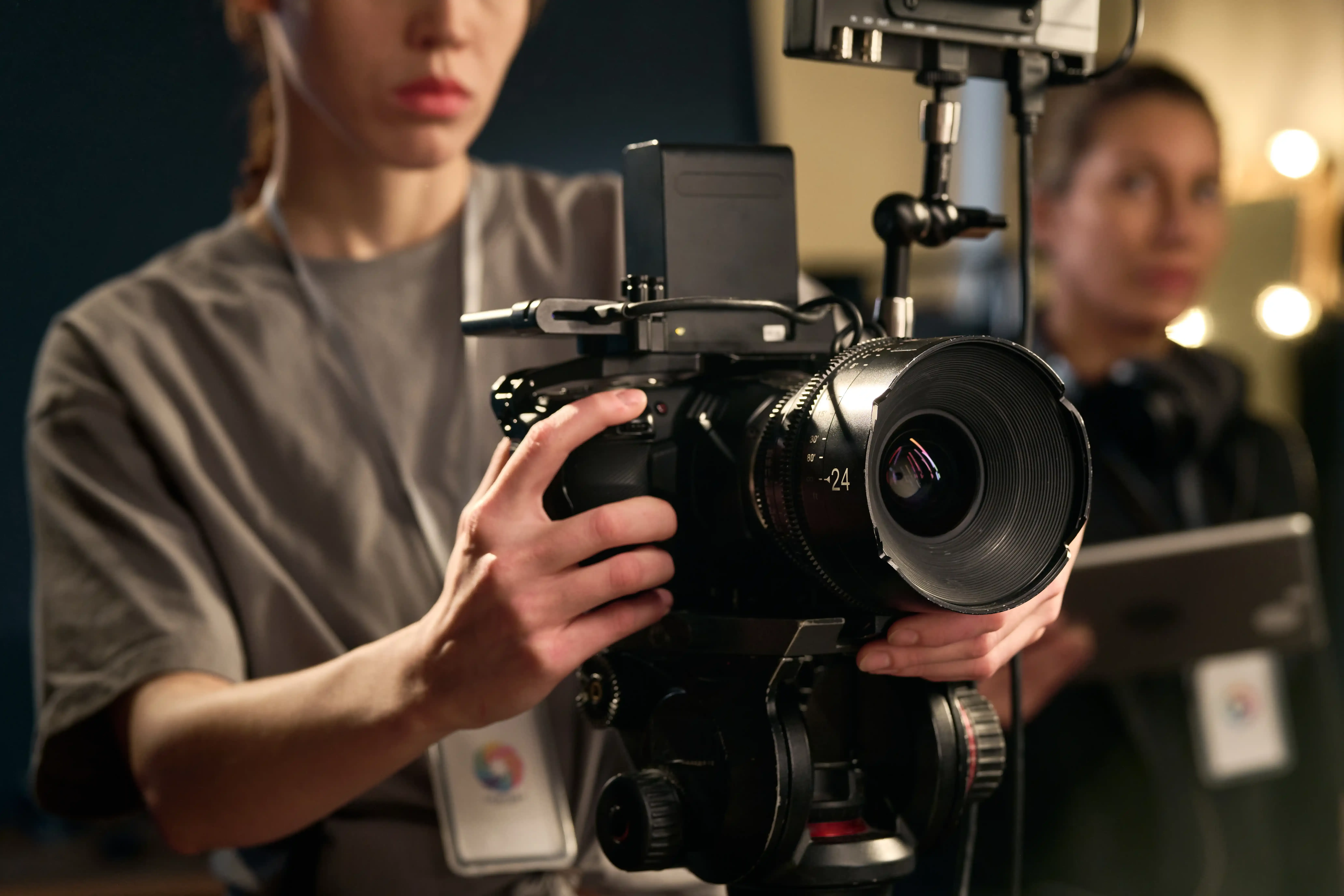
10 Filmmaking Techniques That Will Transform Your Storytelling
Filmmaking is an intricate art that goes beyond just capturing moving images; it involves a deep understanding of storytelling. Here are 10 filmmaking techniques that can profoundly enhance your narratives. First, consider the power of visual storytelling. Utilizing imagery to convey emotions or themes can significantly engage your audience on a deeper level. Additionally, the use of close-ups can provide insight into a character's emotions, while wide shots establish the environment and context. This blend of techniques ensures that the viewer not only sees but feels the story unfolding.
Another crucial technique is montage, which allows filmmakers to condense time and juxtapose different storylines for impact. This can create a compelling narrative arc and maintain pacing. Additionally, incorporating sound design is vital—background scores and sound effects can evoke emotions, make moments more intense, and keep the audience immersed. Finally, experimenting with non-linear storytelling can challenge viewers’ perceptions and keep them engaged. Mastering these filmmaking techniques will undoubtedly transform your storytelling, making it more dynamic and impactful.
Counter-Strike is a highly popular first-person shooter game that emphasizes teamwork and strategy. Players can engage in various game modes, including bomb defusal and hostage rescue, which require careful planning and coordination. For those looking to enhance their gaming experience, check out the Top 10 iphone video accessories that can improve gameplay performance and video quality.
The Hidden Art of Cinematography: Tips You Never Knew
Cinematography is often regarded as the unsung hero of filmmaking, where every frame is meticulously crafted to evoke emotion and tell a story. One of the hidden arts of cinematography lies in the use of lighting. Proper lighting can dramatically alter the mood and tone of a scene, helping to frame the narrative without uttering a single word. For instance, using high-key lighting can create a cheerful, inviting atmosphere, while low-key lighting can invoke feelings of suspense or drama. Mastering the play of shadows and highlights can elevate your visual storytelling and captivate your audience.
Another essential aspect that often goes unnoticed is the composition of a shot. Applying the rule of thirds can lead to striking visual balance, guiding the viewer's eye naturally through the frame. Additionally, consider experimenting with depth of field to isolate subjects, thereby enhancing their importance in the storytelling process. Don't overlook the power of camera movement; techniques like tracking shots or steadicam work can add dynamism, engaging the audience in a way that stationary shots might not. Embracing these techniques can transform an average scene into an unforgettable visual experience.
How to Use Sound Design to Elevate Your Film Production
Sound design is a critical yet often overlooked aspect of film production that can significantly enhance the overall viewer experience. By incorporating a well-thought-out soundscape, filmmakers can evoke emotions, create ambiance, and even alter the perception of on-screen action. To effectively use sound design, start by identifying key moments in your film where audio can amplify the story. Whether it's the subtle rustle of leaves in a tense scene or the dramatic crescendo of a score during a climactic moment, these audio elements should be designed to complement and elevate the narrative.
Moreover, effective sound design involves meticulous attention to detail, including the use of foley effects, ambiance, and sound mixing. Creating a layered audio experience can keep your audience engaged and immersed in the cinematic world. Consider utilizing tools such as audio software to manipulate sounds, or collaborate with sound designers to bring an expert touch to your production. Additionally, always remember to balance your audio levels, ensuring that dialogue, sound effects, and music harmoniously coexist without overshadowing one another.