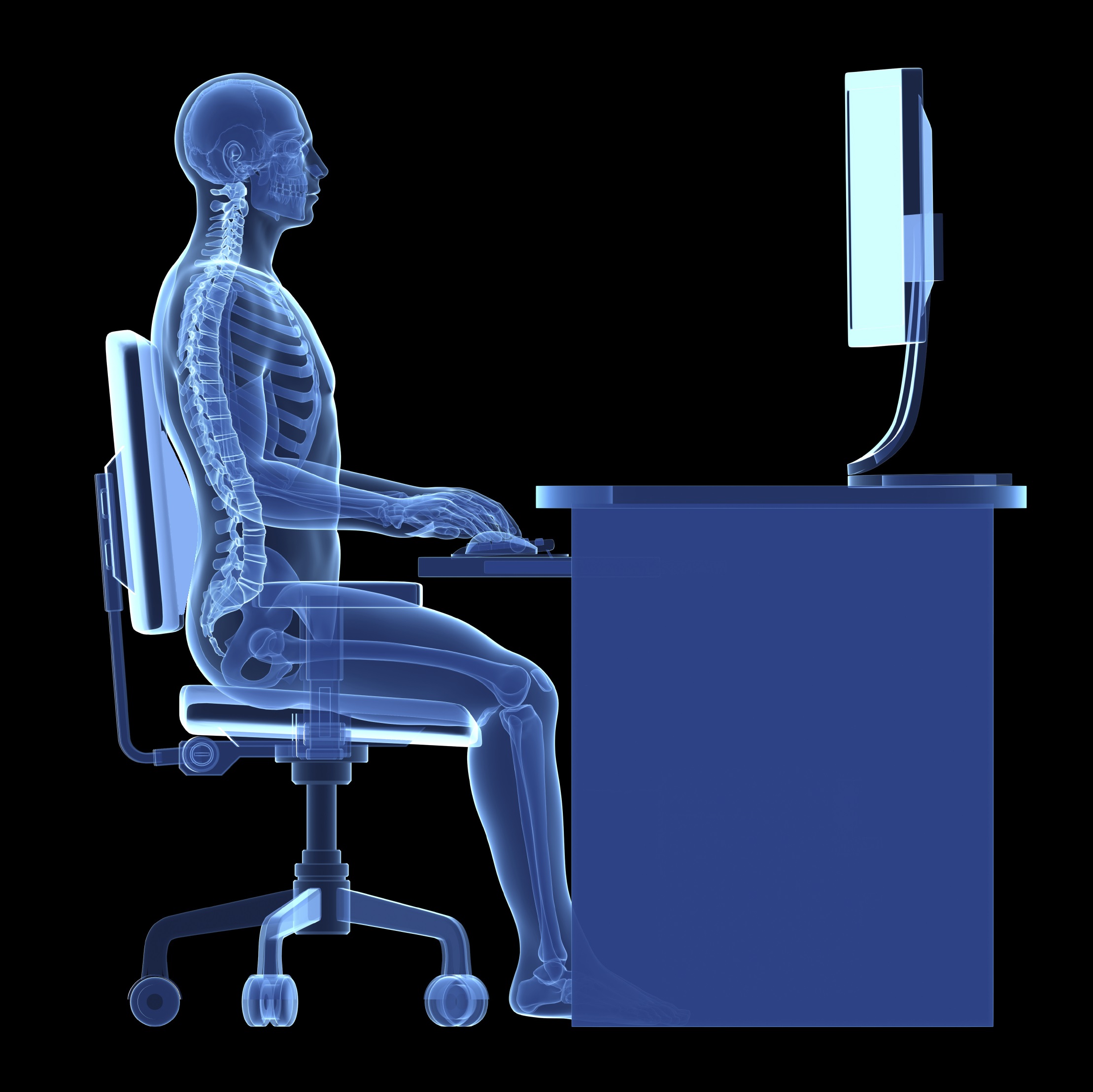
The Hidden Dangers of Poor Ergonomics: Is Your Chair Sabotaging Your Health?
In today's fast-paced world, many individuals spend hours seated at their desks, often sacrificing their health for productivity. However, poor ergonomics can lead to a variety of health issues that are often overlooked. From chronic back pain to repetitive strain injuries, the impact of an improperly designed workspace can be significant. Your chair, perhaps the most crucial component of your workstation, can unknowingly sabotage your health if it lacks proper support and adjustability.
Consider the following hidden dangers of poor chair ergonomics:
- Increased Risk of Musculoskeletal Disorders: An unsupportive chair can cause strain on your spine and joints, leading to long-term pain.
- Poor Posture: A chair that doesn’t promote good posture can result in slouched shoulders and a forward head position, which can affect your breathing and circulation.
- Reduced Productivity: Discomfort caused by a bad chair can distract you from your work, leading to decreased focus and efficiency.
Investing in a quality ergonomic chair not only enhances comfort but also promotes better health, ultimately leading to a more productive work environment.
Counter-Strike is a highly popular first-person shooter video game that pits teams of terrorists against counter-terrorists in various game modes. Players must work together to strategize and execute missions, making it a true test of skill and teamwork. To enhance your gaming experience, you might want to check out the Top 10 work from home accessories that can improve comfort and productivity while playing.
5 Signs Your Chair is Out to Get You: How to Recognize Ergonomic Fails
Have you ever felt an unexplained tension in your back or neck while working? It might not be your workload—your chair could be the culprit. Recognizing ergonomic fails is crucial for maintaining both productivity and physical health. Here are five signs that your chair is out to get you:
- Persistent Discomfort: If you find yourself shifting positions frequently to alleviate pain, your chair's design may be flawed.
- Poor Posture: If you notice yourself slouching or leaning forward, it’s a clear indicator that your chair lacks the necessary support.
Additionally, consider the height of your chair. Is it adjustable? A chair that can’t be modified to fit your body can lead to future aches and pains. Another red flag is material quality; a chair that isn’t made from breathable fabric may cause discomfort during long sitting hours. Finally, listen to your body: if you’re experiencing fatigue early in the day, it might be time to assess your ergonomic setup. Investing in a better chair can not only enhance your comfort but also boost your overall productivity.
Is Your Workstation a Comfort Zone or a Torture Chamber?
Your workstation can significantly affect your productivity and well-being. It’s essential to evaluate whether it acts as a comfort zone or a torture chamber in your daily work routine. A comfort zone is characterized by ergonomic furniture, good lighting, and a clutter-free environment that promotes focus and creativity. In contrast, a torture chamber may include a cramped desk, uncomfortable seating, and excessive noise, all of which can lead to distractions and increased stress. Here are some factors to consider:
- Ergonomics: Is your chair providing proper lumbar support?
- Lighting: Is your workspace well-lit, minimizing eye strain?
- Organization: Is your desk cluttered, or is everything within easy reach?
Assessing your workstation can lead to improved comfort and productivity. If you find that your current setup resembles a torture chamber, making simple adjustments can make a substantial difference. Investing in an ergonomic chair, using desk organizers, and ensuring adequate lighting can transform your workspace from a place of discomfort into a sanctuary of productivity. Remember, it’s all about creating an environment that feels like a comfort zone, where you can thrive rather than merely survive the workday.