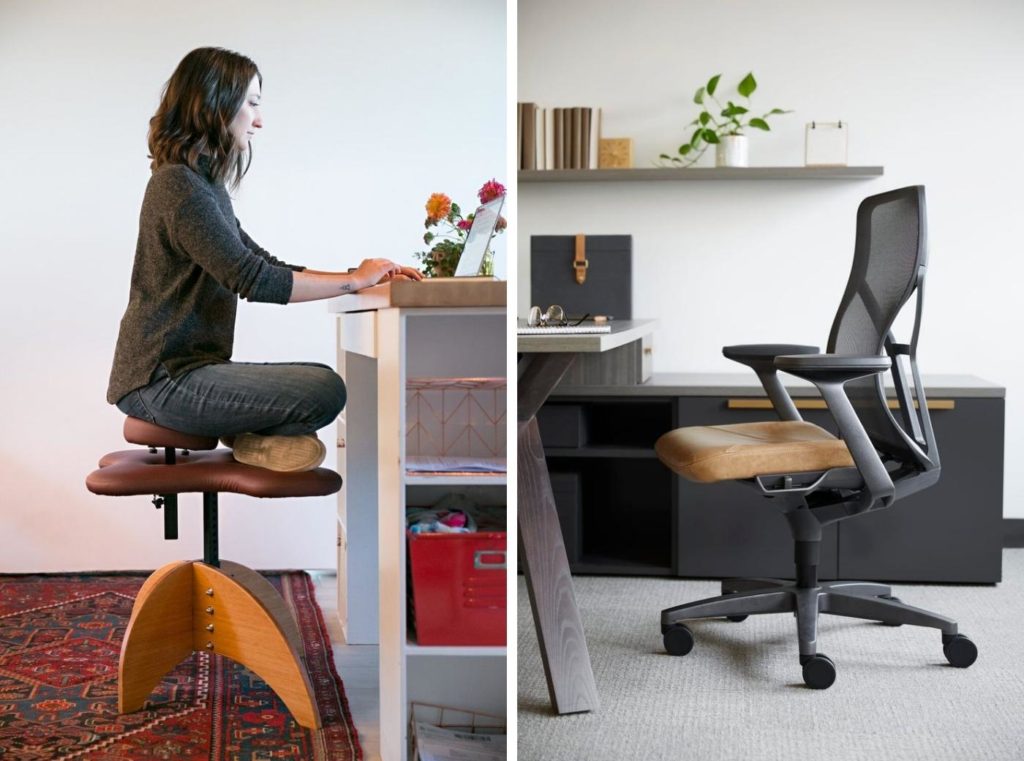
The Surprising Health Risks of Sitting Like a Pretzel: What You Need to Know
Sitting in a pretzel position—crossing your legs and bending your knees inwards—may seem comfortable and often boasts a casual aesthetic, but this seemingly innocent posture can lead to serious health risks. Prolonged periods spent in this position can cause musculoskeletal problems, such as lower back pain and knee strain. Additionally, the pressure placed on the lower extremities can lead to poor circulation, resulting in symptoms like numbness and tingling. According to health experts, this restricted posture may hinder proper blood flow, increasing the risk of developing varicose veins over time.
Moreover, adopting the pretzel position can also negatively impact your posture, leading to an imbalance in your spine. Prolonged exposure to this type of seating could shape your body’s alignment, resulting in chronic discomfort or complications like sciatica. It is crucial to incorporate regular movement throughout your day, especially if your work involves extended periods of sitting. A simple practice, such as standing up every 30 minutes, can significantly counteract these health risks and promote better overall well-being.
Counter-Strike is a highly competitive first-person shooter game that has captivated gamers around the world since its release. Players can choose to play as terrorists or counter-terrorists, engaging in various objective-based gameplay. For those who enjoy gaming in comfort, check out these Top 10 Laptop Stands for Beds to enhance your experience. The game has a rich history and has evolved significantly with multiple versions, including Counter-Strike 1.6, Source, and Global Offensive.
Ergonomics 101: How to Sit for Comfort and Productivity
Ergonomics plays a crucial role in our work environments, especially as many of us spend long hours seated at desks. To sit for comfort and productivity, it's essential to adjust your chair and workstation to support your body. Begin by ensuring your chair is at the right height—your feet should rest flat on the floor, with your knees at a 90-degree angle. Ergonomic chairs with lumbar support can help maintain the natural curve of your spine. Additionally, consider the placement of your computer screen; it should be at eye level to prevent neck strain. Regularly changing your position and taking short breaks can also promote better circulation and overall comfort.
Moreover, implementing a few simple practices can enhance your ergonomics. Here are some tips to keep in mind:
- Maintain a neutral wrist position: Keep your wrists straight and hands at or below elbow level while typing.
- Use proper posture: Sit back in your chair with your back against the support for optimal alignment.
- Adjust your desk: Ensure your desk height allows your elbows to be at a right angle when typing.
- Incorporate movement: Stand up or stretch for a few minutes every hour to avoid stiffness.
By making these adjustments and focusing on ergonomics, you can create a workspace that not only enhances your comfort but also boosts your productivity.
Is Your Chair a Health Hazard? Discover the Best Seating Positions for Office Workers
In today’s digital age, many office workers spend hours sitting in their chairs, which can turn these essential pieces of furniture into potential health hazards. Poor seating positions not only lead to discomfort but can also contribute to long-term issues such as back pain, poor posture, and decreased productivity. To ensure your workspace promotes good health, it’s crucial to evaluate how you sit. Here are a few signs that your chair might be affecting your health:
- Frequent back pain or stiffness
- Tiredness and lack of focus
- Numbness or tingling in the legs
To combat the negative effects of prolonged sitting, adopting the right seating positions is essential. Here’s how to adjust your chair and position to improve your posture:
- Feet flat on the floor: Ensure your feet are firmly planted, preventing strain on your legs.
- Knees at hip level: Adjust your chair height so your knees are in line with your hips.
- Back support: Use a chair with lumbar support to maintain the natural curve of your spine.
By implementing these tips, you can significantly reduce the risk of your chair becoming a health hazard in your workplace.