Understanding the Future of Charging: How Innovative Solutions are Transforming Our Devices
The future of charging is being redefined by innovative solutions that enhance efficiency and user experience. With the rise of wireless charging, consumers can enjoy the convenience of powering their devices without the hassle of tangled cords. This technology not only reduces clutter but also opens the door for new design possibilities in gadgets. Moreover, advancements in fast-charging capabilities are allowing devices to gain significant battery life in mere minutes, ultimately reshaping our expectations for everyday usage.
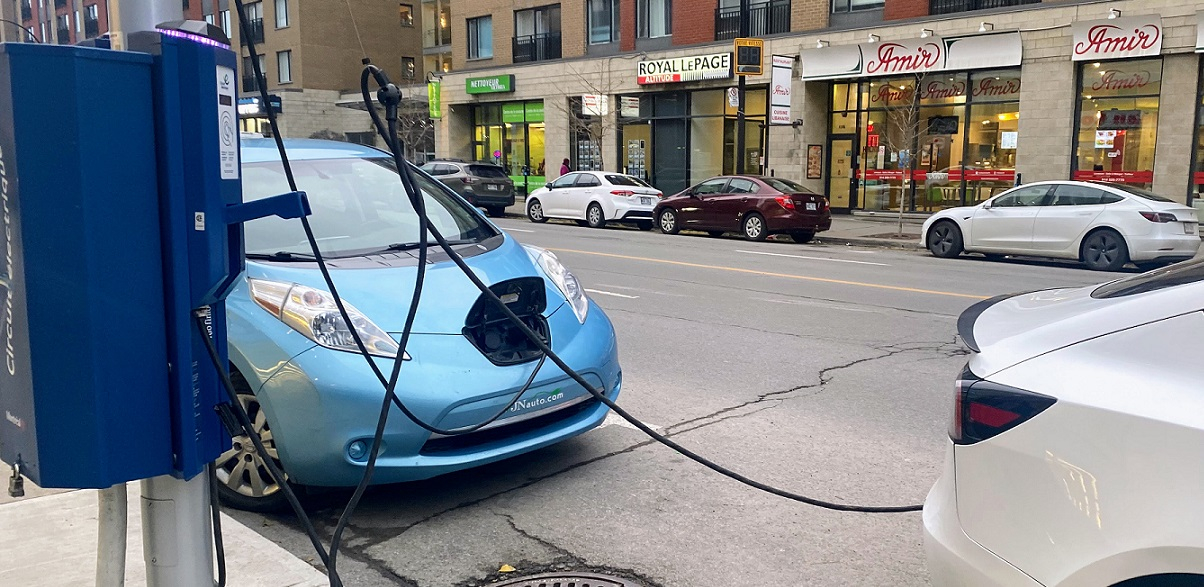
New methods such as solar charging and energy harvesting are also beginning to emerge, showing promise for sustainability. For instance, integrating solar panels into everyday items, like backpacks or phone cases, allows users to harness renewable energy while on the go. Additionally, innovation in charging infrastructure is vital; establishing more public charging stations can encourage the adoption of electric vehicles and contribute to a greener future. As we look ahead, it's clear that these transformative solutions are not just changing how we charge our devices, but also influencing broader societal trends.
Counter-Strike is a highly popular first-person shooter that emphasizes teamwork and strategy. Players can choose to play as terrorists or counter-terrorists, with each side having distinct objectives. In addition to its competitive gameplay, many gamers appreciate the need for reliable gear, such as in the case of finding the Top 10 Compact Travel Chargers for on-the-go gaming sessions.
Top 5 Cutting-Edge Charging Technologies You Need to Know About
As technology continues to advance at a rapid pace, charging solutions have adapted to meet the demands of modern devices. Here are the top 5 cutting-edge charging technologies you need to know about:
- Fast Charging: This technology provides a significant boost in charging speed, allowing devices to charge up to 70% in just 30 minutes. Companies like Qualcomm and Oppo have pioneered this realm, making it a game-changer for users on the go.
- Wireless Charging: Embracing convenience, wireless charging uses electromagnetic fields to transfer energy between devices, eliminating the need for messy cables. This technology is rapidly being integrated into smartphones, wearables, and even electric vehicles.
- Solar Charging: Harnessing the power of the sun, solar charging technologies have become more efficient, allowing for portable solar chargers that can power devices even in remote locations.
- Magnetic Resonance Charging: This emerging technology enables devices to charge at a distance, as long as they are in proximity to the charger. This could revolutionize how we charge our gadgets, providing greater flexibility without physical connectors.
- Graphene-based Batteries: Offering faster charge times and longer lifespans, graphene technology is heralded as a breakthrough for battery technology. These batteries promise to power devices with enhanced efficiency and reduced environmental impact.
Is Wireless Charging Right for You? Pros and Cons Explained
As technology continues to evolve, wireless charging has become an increasingly popular option for powering devices without the hassle of tangled cords. One of the primary pros of wireless charging is convenience; simply placing your smartphone or other compatible device on a charging pad eliminates the need to plug and unplug cables constantly. Additionally, many users appreciate the sleek, minimalist look of wireless chargers, which can blend seamlessly into home or office decor. However, it’s important to consider the cons as well. Wireless charging typically has slower charging speeds compared to traditional wired options, which can be a downside for those who need a quick power boost.
Another factor to weigh when deciding if wireless charging is right for you is compatibility. Most modern devices support this technology, but older models might not, which could lead to added costs if you have to invest in new gadgets. Additionally, some users report that wireless chargers can become less efficient over time or heat up during charging, raising concerns about longevity and safety. Ultimately, whether you choose to adopt wireless charging comes down to personal preference and lifestyle needs. Consider the pros and cons carefully to determine if this charging method aligns with your daily habits.